
Uterine Prolapse Surgery Procedures: Types, Benefits, Recovery, and What to Expect
Uterine prolapse can affect more than physical comfort. It may interfere with daily activities, exercise, bladder function, bowel movements, and overall quality of life. While mild cases can often be

Bladder Prolapse (Cystocele) Surgery Options: What to Expect, Types, Recovery, and Who May Need Surgery
A bladder prolapse, also called a cystocele, occurs when the supportive tissues between the bladder and the vaginal wall become weakened, allowing the bladder to bulge into the vagina. While
Types of Pelvic Organ Prolapse Surgery
Living with pelvic organ prolapse can affect much more than physical comfort. Many women experience pelvic pressure, urinary problems, bowel symptoms, or discomfort that interferes with daily activities and quality
Stages of Pelvic Organ Prolapse and Surgical Decision: When Is Pelvic Organ Prolapse Surgery Recommended?
Pelvic organ prolapse (POP) is a common condition that affects millions of women, especially after childbirth and menopause. While many women experience mild symptoms that can be managed without surgery,
Signs You May Need Pelvic Organ Prolapse Surgery
Pelvic organ prolapse is a common condition that affects many women, particularly after childbirth, menopause, or as part of the natural aging process. While mild cases can often be managed
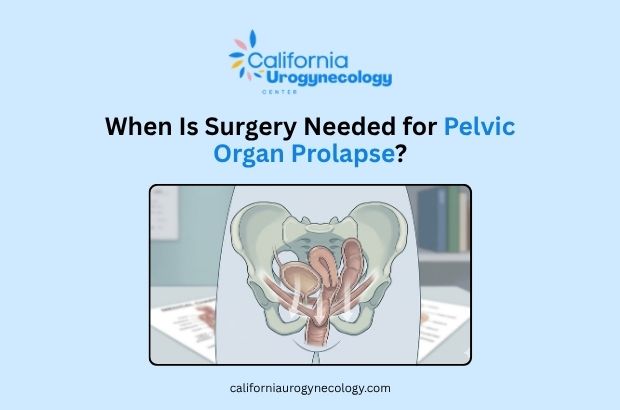
When Is Surgery Needed for Pelvic Organ Prolapse?
Pelvic organ prolapse can range from a mild inconvenience to a condition that significantly impacts daily life. Many women diagnosed with prolapse wonder whether surgery is inevitable or if non-surgical