
Rectal prolapse does not usually heal on its own. In most adult cases, the condition persists and can gradually worsen without proper treatment.
In simple terms, rectal prolapse occurs when part of the rectum slips out through the anus. This can happen due to weakened pelvic floor muscles, chronic straining during bowel movements, aging, or long-term constipation.
Why rectal prolapse does not heal on its own
Rectal prolapse occurs when the muscles, ligaments, and connective tissues that hold the rectum in place become weakened or damaged. Once these support structures fail, the rectum can slip partially or completely outside the anus.
Unlike minor muscle strains or inflammation, damaged pelvic support tissues do not regenerate naturally. Over time, gravity, bowel movements, and continued muscle weakness often cause the prolapse to progress and become more frequent or permanent.
Types of rectal prolapse
Understanding the type helps explain why self-healing is unlikely:
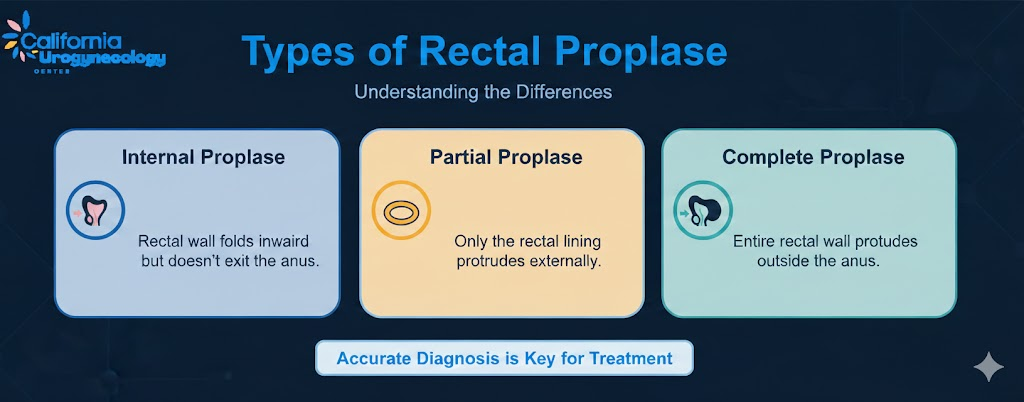
- Internal prolapse: The rectum folds inward but does not exit the anus
- Partial prolapse: Only the rectal lining protrudes
- Complete (full-thickness) prolapse: The entire rectum protrudes outside the anus
Even mild or internal prolapse typically worsens without treatment.
Can lifestyle changes fix rectal prolapse?
Lifestyle and non-surgical measures can help manage symptoms, but they do not cure rectal prolapse.
These include:
- Eating a high-fiber diet to prevent constipation
- Using stool softeners to reduce straining
- Performing pelvic floor exercises (especially helpful in early or internal prolapse)
- Avoiding heavy lifting and prolonged straining
These steps may delay progression, reduce discomfort, and protect bowel function—but the prolapse itself remains.
What happens if rectal prolapse is left untreated
Without proper treatment, rectal prolapse may lead to:
- Increasing protrusion and discomfort
- Chronic pain or irritation
- Bleeding or mucus discharge
- Fecal incontinence
- Difficulty fully emptying the bowels
In advanced cases, the prolapsed tissue can become swollen, ulcerated, or trapped outside the anus, requiring urgent care.
Is surgery always necessary?
For full-thickness rectal prolapse, surgery is the only definitive treatment.
The surgical approach depends on:
- Age and overall health
- Severity of prolapse
- Presence of other pelvic floor disorders
In some early or internal cases, doctors may initially recommend conservative management, but long-term resolution usually requires surgical correction.
When to seek medical care
You should see a healthcare provider if you notice:
- Tissue protruding from the anus during or after bowel movements
- Recurrent rectal pain, bleeding, or discharge
- Loss of bowel control
- Symptoms that worsen over time
Early evaluation can prevent complications and improve treatment outcomes.
Summary
Rectal prolapse does not heal naturally. While diet, pelvic floor therapy, and lifestyle changes can ease symptoms, medical evaluation and often surgery are required for lasting relief. If you suspect rectal prolapse, consulting a colorectal specialist is the most effective next step.
Get expert rectal prolapse treatment in Riverside, CA with California Urogynecology. Schedule your consultation today.