
Yes, a prolapse can become dangerous if it is ignored or allowed to worsen over time. While some mild prolapse cases may only cause minor discomfort, more advanced prolapse can affect the bladder, bowel, and overall quality of life. The good news is that many prolapse conditions can be treated successfully when diagnosed early.
Pelvic organ prolapse occurs when the muscles and connective tissues supporting the pelvic organs become weak. This can cause organs such as the bladder, uterus, rectum, or small bowel to shift downward or press into the vaginal wall.
For many people, prolapse starts with mild symptoms that gradually become more noticeable. Some individuals may feel pressure in the pelvic area, while others notice urinary issues, bowel problems, or a bulge in the vagina.
For women experiencing symptoms of pelvic organ prolapse, specialized care is available through California Urogynecology Center, which provides advanced prolapse treatment and pelvic floor care in Riverside, California.
What Makes a Prolapse Dangerous?
A prolapse is not always a medical emergency, but severe or untreated prolapse can lead to complications. As the condition progresses, it may interfere with normal bladder and bowel function and make everyday activities uncomfortable.
Potential complications of untreated prolapse may include:
- Difficulty emptying the bladder completely
- Frequent urinary tract infections
- Urinary leakage or incontinence
- Chronic constipation
- Pelvic pain or pressure
- Tissue irritation or bleeding
- Problems with sexual intercourse
- Reduced mobility and quality of life
In rare cases, severe prolapse can cause organs to protrude outside the body, increasing the risk of infection and tissue damage.
Read More: Can a prolapse be a sign of cancer?
Common Symptoms of Pelvic Organ Prolapse
Symptoms can vary depending on the type and severity of the prolapse. Some people experience only mild discomfort, while others develop more noticeable symptoms over time.
Common prolapse symptoms include:
- A heavy or pulling sensation in the pelvis
- Feeling like something is falling or bulging in the vagina
- Lower back discomfort
- Pain or pressure during physical activity
- Urinary leakage when coughing or sneezing
- Trouble starting urination
- Constipation or bowel difficulties
- Discomfort during intercourse
Symptoms often become worse after standing for long periods, lifting heavy objects, or physical exertion.
What Causes a Prolapse?
Several factors can weaken the pelvic floor muscles and increase the risk of prolapse. Childbirth is one of the most common causes, especially after multiple vaginal deliveries. Aging and menopause can also reduce tissue strength over time.
Other common risk factors include:
- Pregnancy and childbirth
- Chronic coughing
- Heavy lifting
- Obesity
- Chronic constipation
- Pelvic surgery history
- Aging and menopause
People with connective tissue disorders may also have a higher risk of developing pelvic organ prolapse.
Can a Mild Prolapse Get Worse?
Yes, a mild prolapse can gradually worsen if the underlying pelvic floor weakness is not addressed. Activities that increase abdominal pressure, such as heavy lifting or chronic straining, may contribute to progression.
Early treatment and lifestyle changes can often help slow or prevent worsening symptoms. Many healthcare providers recommend pelvic floor exercises, weight management, and avoiding excessive strain to support pelvic health.
Treatment Options for Prolapse
Treatment depends on the severity of the prolapse and the symptoms being experienced. Mild cases may improve with non-surgical approaches, while more advanced prolapse may require procedural treatment.
Common prolapse treatments include:
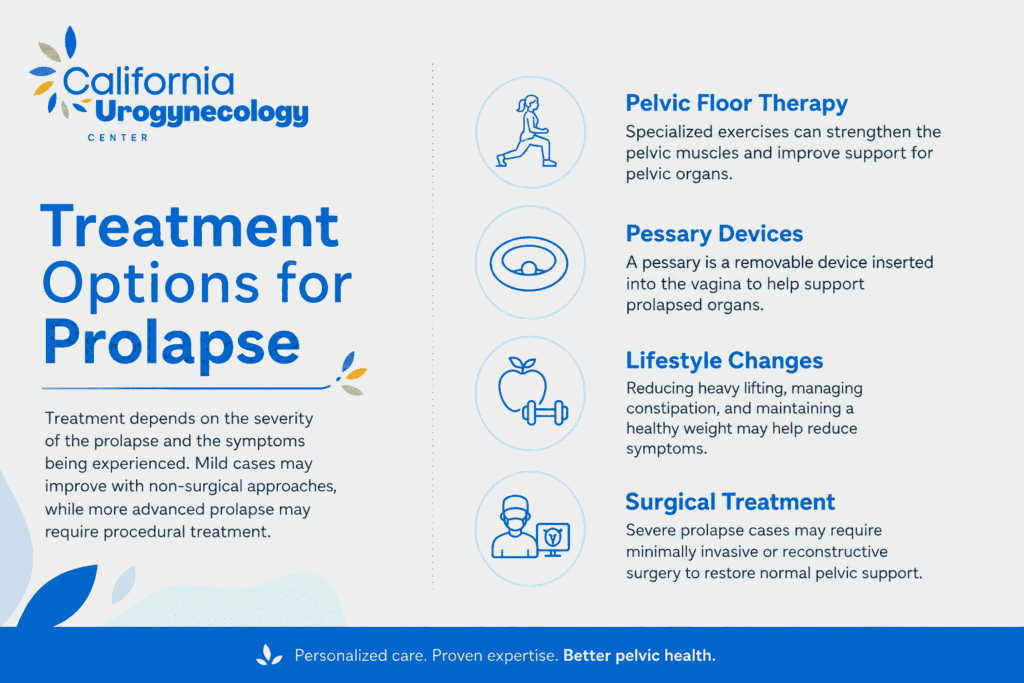
Pelvic Floor Therapy
Specialized exercises can strengthen the pelvic muscles and improve support for pelvic organs.
Pessary Devices
A pessary is a removable device inserted into the vagina to help support prolapsed organs.
Lifestyle Changes
Reducing heavy lifting, managing constipation, and maintaining a healthy weight may help reduce symptoms.
Surgical Treatment
Severe prolapse cases may require minimally invasive or reconstructive surgery to restore normal pelvic support.
When Should You See a Doctor?
Anyone experiencing persistent pelvic pressure, urinary problems, or a noticeable bulge should speak with a healthcare provider. Early evaluation can help prevent complications and improve treatment outcomes.
Medical attention is especially important if symptoms interfere with daily activities, bladder function, or bowel movements.
Final Thoughts
A prolapse can be dangerous when left untreated, particularly if symptoms continue to worsen or begin affecting nearby organs. However, many prolapse cases are manageable with early diagnosis, pelvic floor therapy, lifestyle modifications, or medical treatment.
Understanding the symptoms and seeking care early can help prevent complications and improve long-term pelvic health.
The good news is that modern prolapse treatments are highly effective, especially when diagnosed early. Women experiencing prolapse symptoms can receive specialized pelvic floor care and treatment through California Urogynecology Center in Riverside, CA.